How to Predict Customer Churn Before It Costs You
Most businesses do not lose customers suddenly. They lose them quietly long before the cancellation ever happens. The problem is that the signals are already in your data. You just have to know how to read them.
Somewhere in your customer base right now, people are already on their way out.
Not loudly. Not obviously.
There are no complaints yet. No cancellation emails. No dramatic drop-off.
Just small, almost invisible shifts.
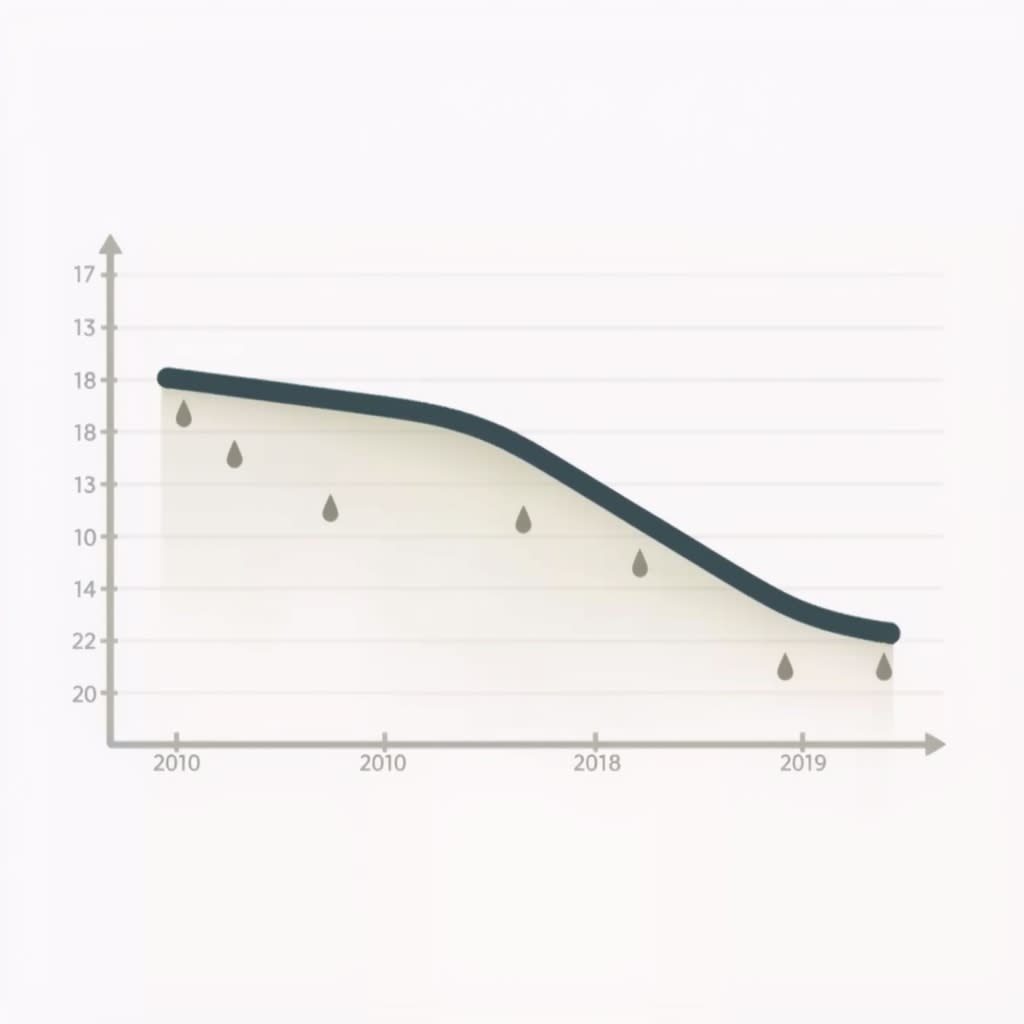
A customer who used to log in daily now appears twice a week. Another who once explored multiple features now sticks to one. Someone who used to spend more is slowly spending less. Support conversations feel a bit colder than they used to.
Individually, none of this feels alarming. But together, it tells a different story, one of quiet disengagement.
This is where most businesses miss the point. They only notice churn when it becomes final. But by then, the decision has already been made.
Predictive churn analysis is about reversing that timeline.
It shifts the focus from who has left to who is about to leave, while there is still time to act.
Customer Churn
Customer churn simply means customers stop doing business with you.
They might cancel, stop buying, or simply fade into inactivity.
But the real question is not what churn is.
It is this:
Who is quietly drifting away right now, even if they have not left yet?
Predictive churn analysis tries to answer that using behaviour, not assumptions.
Customers rarely leave without leaving clues first
When businesses try to explain churn, the answers usually sound familiar.
The product was not strong enough. The price was too high. A competitor offered something better.
Sometimes that is true. But it is rarely the full story.
Because before customers leave, they change.
They interact less. They explore less. They respond differently. Their behaviour starts to lose intensity.
No single action confirms anything. But patterns do.
That is the key idea behind churn prediction. Customers do not vanish. They gradually disconnect, and that disconnection can be measured.
From guesswork to pattern recognition

A churn model does not rely on intuition. It learns from history.
It studies customers who stayed and customers who left, and asks a simple question.
What was different about their behaviour before the outcome?
Over time, it begins to recognize early signals that humans often miss, not because they are invisible, but because they are scattered.
The real value is not in any single metric. It is in the combination of small changes that together form a direction.
Before you build anything, you need clarity

One of the first mistakes companies make is assuming churn means the same thing everywhere.
It does not.
For a subscription product, churn might mean cancellation. For e-commerce, it might mean inactivity for a few months. For banking or SaaS, it might mean reduced usage over time.
If you do not define it clearly, you do not get a model, you get noise.
Everything starts here.
What the data actually reveals
Once churn is defined, the next step is to understand behaviour.
Customers do not leave randomly. Their activity changes in predictable ways.
They may start engaging less often. Their usage might narrow to just one part of your product. They may show frustration in support interactions. Or their activity may quietly decline over time without any obvious trigger.
None of these signals alone are enough. But together, they create a trajectory, and trajectories are what models learn from.
The goal is not to react to one event, but to recognize movement before it becomes exit.
How a churn model actually works in practice
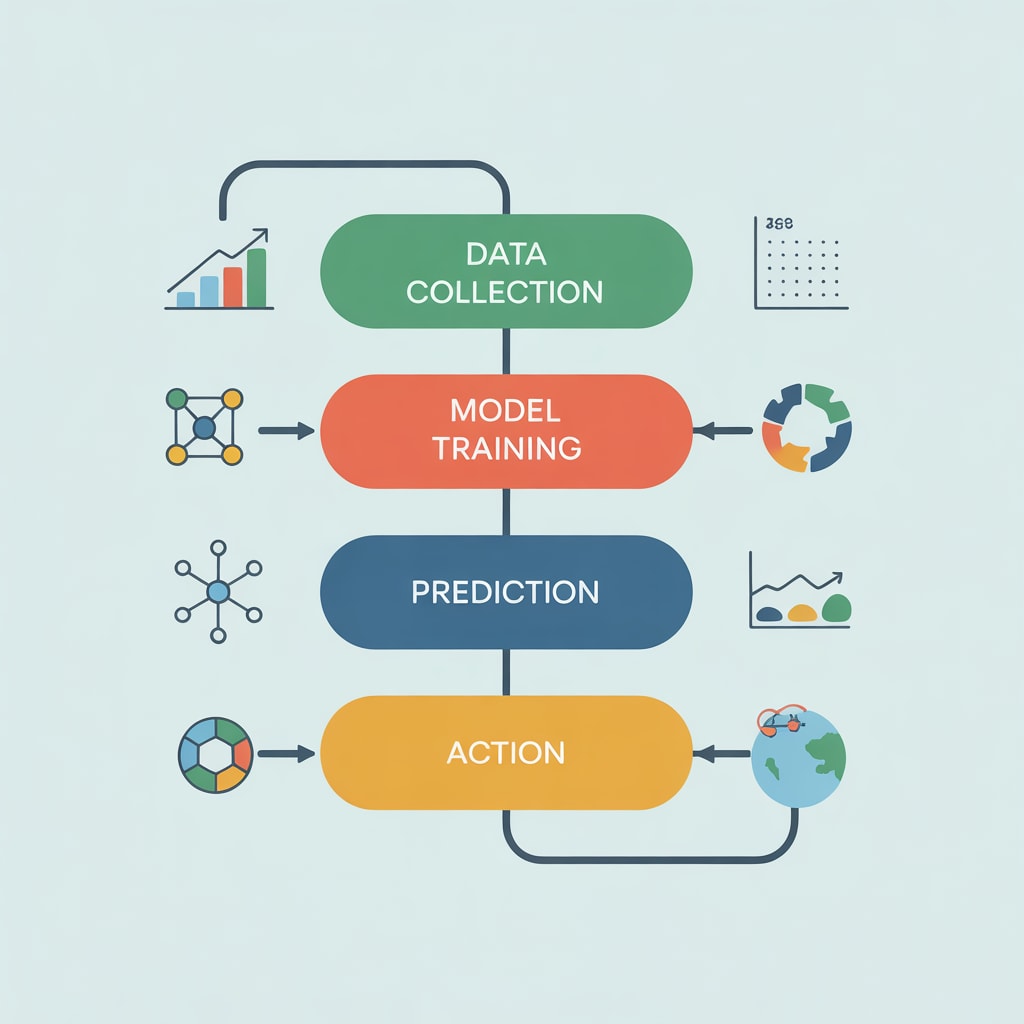
At a high level, it is simple.
You take historical customer behaviour. You label who left and who stayed. Then you train a system to learn the differences between the two.
But there is one important rule that often determines success or failure.
The model must only learn from information that existed before the customer left.
If it sees future information like cancellation confirmations, it will appear highly accurate in testing but completely fail in reality.
Because in the real world, you will not have access to that future signal.
Predictions are not the product. Action is
A churn model does not save customers. Decisions do.
The model only produces a risk signal. What matters is how a business responds to it.
Some customers are high value and high risk. They deserve personal attention. Others may just need a reminder of value or a better onboarding experience. Some may only need time and light engagement to stay active.
The mistake many companies make is treating everyone the same after scoring them.
That defeats the purpose entirely.
The real question is not accuracy. It is impact
A model can look impressive on paper and still be useless in practice.
So instead of asking “How accurate is it?”, better questions are:
Are we identifying customers who actually leave?
Are we doing it early enough to act?
Are interventions reducing churn in a measurable way?
Because if nothing changes in the business outcome, the model does not matter, no matter how sophisticated it is.
Why most churn systems fail
The failure rarely comes from the algorithm itself.
It comes from three simple issues.
First, using the wrong data, often accidentally including information that only exists after churn happens.
Second, building the model once and never updating it. Customers change, behaviour changes, markets change. A static model slowly becomes outdated.
And third, not testing whether interventions actually work. Without proper comparison, it is impossible to know if saved customers were influenced by action or would have stayed anyway.
What this looks like in the real world
A SaaS company generating $18M annually was losing customers at a steady 3.2% every month.
At first glance, it did not feel like a crisis. But over time, it translated into millions in lost revenue.
Worse still, most retention efforts started too late, after customers had already decided to leave.
So the company changed its approach.
They built a system that looked at usage patterns, feature adoption, support conversations, and integration activity. Instead of reacting to cancellations, they began identifying risk 60 days in advance.
Now, instead of waiting for customers to leave, they could act while there was still time to change the outcome.
High-value customers received direct outreach. Smaller accounts got targeted support. Product insights from the model even changed onboarding flows.
Within a year, churn dropped significantly, revenue retention improved, and the company discovered something unexpected. Early product engagement was a stronger predictor of retention than anything else.
That insight alone reshaped how they onboarded new users.