Turning Sales Data into Smarter Inventory Decisions

Introduction
For many retail businesses, inventory is where profit is either made or lost.
Stock too much, and money gets tied up in products that may never sell. Stock too little, and customers leave because what they need is not available. Both situations affect revenue, cash flow, and customer trust.
This is why more businesses are turning to data. When sales data is used properly, it helps companies make better inventory decisions, reduce waste, improve product availability, and support steady growth.

Understanding the Concept
At its core, inventory management is about having the right products available at the right time and in the right quantity.
Sales data makes this possible. It includes records of what was sold, when it was sold, and how often customers bought it. When this data is analyzed, it reveals useful patterns such as:
-
Which products sell the most
-
Which products move slowly
-
When demand increases or drops
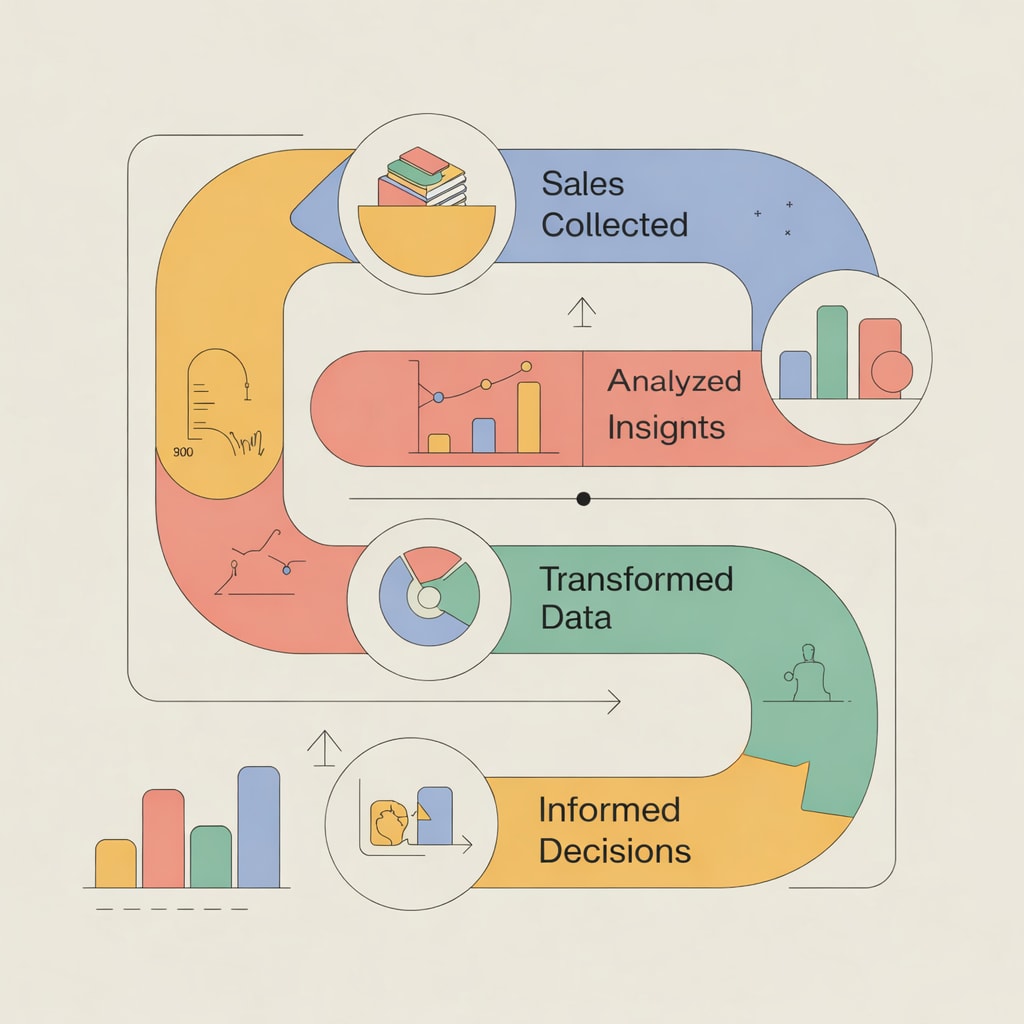
These insights lead to demand forecasting, which simply means predicting what customers are likely to buy in the future.
Without this approach, businesses often face two common challenges:
-
Overstocking: Too much inventory, which leads to waste and higher storage costs
-
Understocking: Too little inventory, which results in missed sales and dissatisfied customers
Using data helps businesses find the right balance.
How It Works

Turning sales data into better inventory decisions involves a few practical steps.
Analyzing Sales Patterns
The first step is to review historical sales data to understand trends. This helps businesses identify:
-
Weekly or monthly demand patterns
-
Seasonal changes in buying behavior
-
Fast-moving and slow-moving products
Forecasting Demand
Once patterns are clear, businesses can estimate future demand using methods like moving averages or time series analysis. This helps answer important questions:
In some cases, external factors such as promotions, pricing changes, or holidays are also considered.
Setting Inventory Rules
With demand insights in place, businesses can apply simple rules to manage stock more effectively:
-
Reorder Point: The level at which new stock should be ordered
-
Safety Stock: Extra inventory kept to handle unexpected demand
-
ABC Analysis: Grouping products based on their value and importance
These practices ensure that high-priority items remain available, while less critical products do not take up unnecessary capital.
Measuring Accuracy
Over time, businesses track how accurate their forecasts are. This is done using measures such as:
-
Forecast errors
-
Bias in predictions
Even small improvements in accuracy can lead to better planning and improved profitability.
Real-World Applications
Many industries already rely on data to guide inventory decisions.
-
Large retailers use advanced systems to predict demand and reduce stockouts
-
Fashion companies use forecasting to limit unsold inventory and reduce losses
-
E-commerce businesses and SMEs analyze sales trends to prepare for demand spikes
-
Weather-sensitive retailers adjust inventory based on expected conditions, such as increased demand for umbrellas during rainy periods
In each case, the objective is the same: align inventory with actual customer demand.
Business Use Case: A Grocery Chain in Lagos
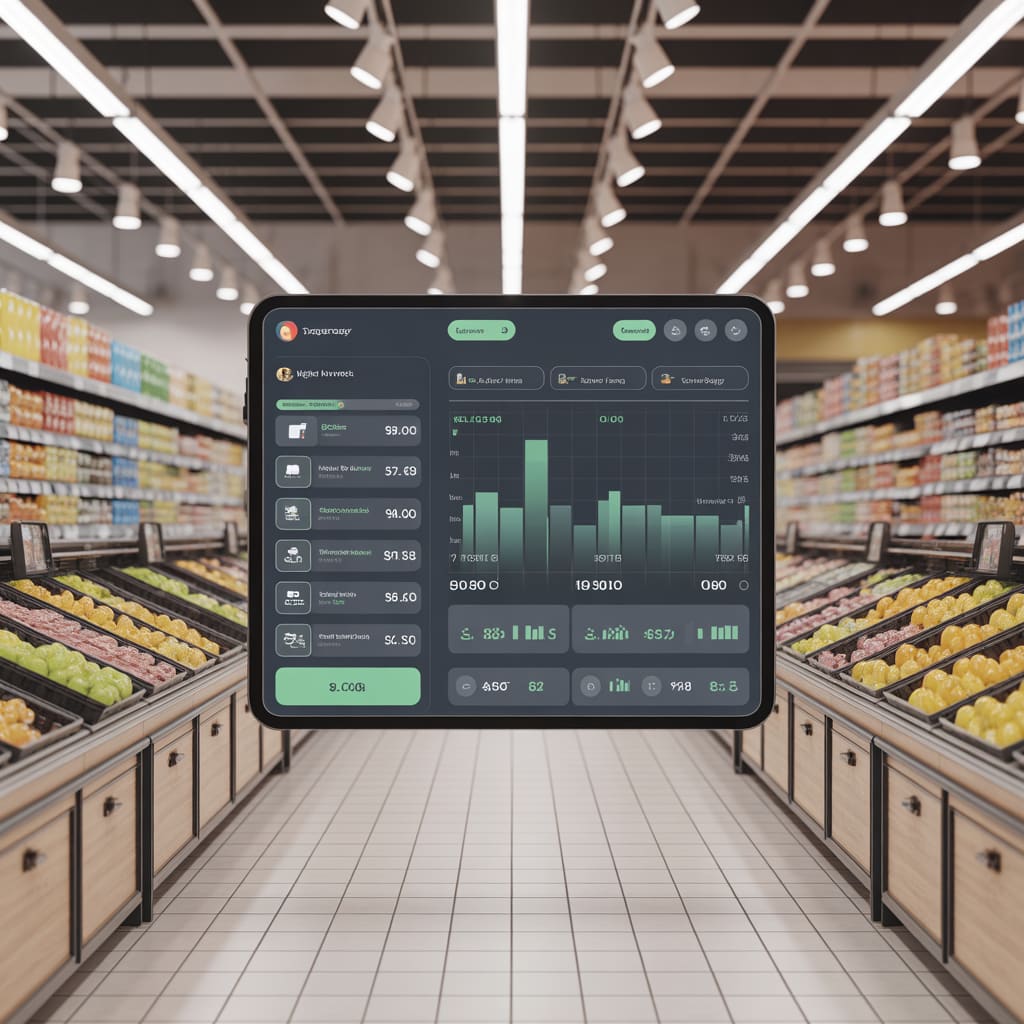
Consider a small grocery chain operating in Lagos.
The Challenge
The business faces several common issues:
-
Frequent stockouts of popular items like rice and bread
-
Excess stock of slow-moving goods that expire on shelves
-
Restocking decisions based on guesswork rather than data
-
Cash tied up in unsold inventory
The Approach
To address these challenges, the business begins using its sales data more effectively:
-
Reviews past sales to identify best-selling and slow-moving products
-
Detects weekly and seasonal demand patterns
-
Applies demand forecasting to estimate future sales
-
Sets reorder points for each product
-
Maintains safety stock for high-demand items
-
Uses ABC analysis to focus on the most important products
-
Adjusts inventory for periods such as holidays or price changes
The Outcome
The results are clear and measurable:
-
Fewer stockouts, leading to better customer satisfaction
-
Reduced waste from unsold or expired products
-
Improved cash flow, as less money is tied up in excess inventory
-
More confident, data-driven decision-making
-
Increased revenue due to consistent product availability
Using sales data for inventory decisions is no longer limited to large corporations. Small and medium-sized businesses can also apply these principles to operate more efficiently, reduce losses, and better serve their customers.